
When Generosity Overflows
Managing Disaster Donations

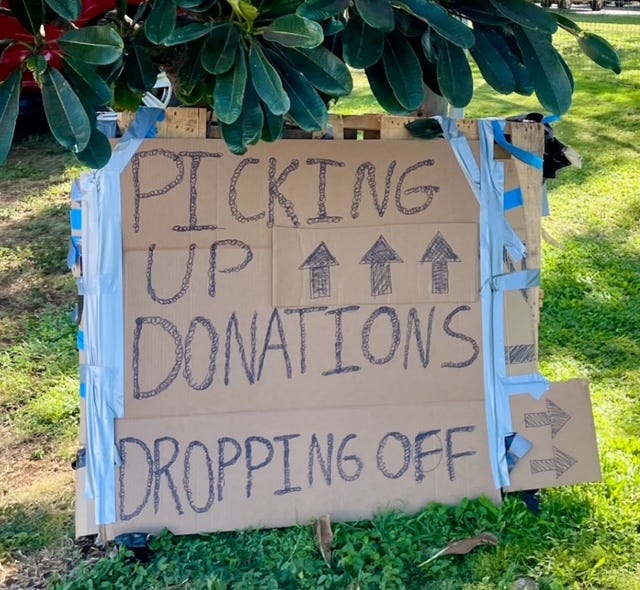
When catastrophic disasters impact communities, animal welfare organizations often experience dramatic increases in giving from an engaged and concerned public. The rapid boost in funding presents an obvious opportunity to increase the scale, speed, and scope of the response and recovery efforts.
With all the inherent benefits from the funding windfall, there are significant mid to long-term risks to an organization's relationships and reputation. It’s important therefore, that animal welfare leadership proactively prepare for a number of potential challenges:
Restricted/Unrestricted funding: Every solicitation for funding during the disaster response period should include unambiguous language stating that the funds are restricted to response/recovery. If funds are to be used for other purposes - such as shelter operating budget or capital costs - a disclaimer to that effect should be included. The focus should be on honoring donor intent. Any dramatic increase in funding year over year during the disaster response period should be understood as being for the disaster. Pretending otherwise can lead to loss of faith in the organization and long term donation decline.
Negative impact on future giving: Annual giving donors are likely to contribute above and beyond their usual giving during the crisis. This out-of-cycle giving can result in reduced giving for subsequent general funding efforts post-disaster. This is especially true if the non-profit is not clear and transparent about where and how the additional funding is being used. Disasters captivate an international audience and a flood of new one-time donors. Converting these donors to become regular supporters should be a development priority. Immediate donation stewardship is essential to foster a relationship with these new donors and it’s advisable to create a volunteer donor-appreciation team to assist with immediate calls and notes of gratitude. The sheer volume of incoming inquiries, well-wishes and major donation pledges from across the world can be overwhelming. Take advantage of the many individuals who want to help and invest in the time to convert new one time donors to sustainable givers. Communicating heartfelt updates with impact stories of animals who have been involved in the recovery efforts via email campaigns should be distributed on a weekly basis for the duration of the disaster recovery. Be conscientious of generational gaps in communication preferences and consider mailing a newsletter or series of postcard updates using a professional printing and direct mailing service for time and efficiency.
Impact on future municipal contracts: Nonprofits that receive partial funding through municipal contracts may find that budget officials will be reluctant to increase or sustain funding levels. Proactive communication with officials to transparently share how the funding is being allocated to disaster response should provide some insulation against clawbacks. The long-term community impacts of disasters will require operating budgets to increase significantly in subsequent years.
Resentment from other animal welfare nonprofits: Not all animal-welfare organizations in an impacted community will receive equal giving. This can result in resentment and an exacerbation of already fraught relationships between organizations. Organizations that are rewarded with increased public giving, should consider increasing partnerships with other (and often smaller) animal welfare organizations. Aside from the obvious benefits of collective problem solving and resource sharing, it also will help blunt criticism over where funds are being allocated.
Impact on employee satisfaction and retention: Animal welfare staff will be exposed to trauma in their role as first responders and animal care providers during disasters. Shelter clinics may be flooded with animals in horrific medical conditions while animal control teams are tasked with removing mass casualties and responding to countless pleas from lost pet owners in crisis. Front line shelter staff can experience emotional distress from hearing about a pet owner’s traumatic experience, commonly referred to “secondary trauma”. Budgeting decisions should include mechanisms to provide mental-health counseling, time away, wage increases and other support in the months following the crisis. Failure to do so can result in high-attrition, behavior issues at-work and in personal lives, loss of loyalty to the organization, and significant ongoing harm to the individual staff members’ psychological wellbeing.
Perceived imbalance between funds received and resulting response/recovery outcomes delivered: In a world where passionate but uninformed activists or those acting in bad faith can cause considerable damage to an organization with a single social media post, it is critical that the animal welfare organization proactively share how much they have received, and in broad but vivid strokes share how they are allocating it. Consider a two pronged approach:
The Head: within a reasonable time frame publish/post how funds are and will be used. Consider infographics and spreadsheets.
The Heart: using social media local media outlets, share the positive outcomes that the giving has made possible.
Poor book-keeping: In the heat of a crisis, and in the face of an unexpected fundraising windfall, it can be challenging to keep good books. Organizations should assume spending will be scrutinized, and make every effort to account for donor intent for all funds donated to the response. This includes keeping all correspondence sent with donations that specify a directive for spending. An organization’s overall disaster response plan should include board-directed provisions for the development team that specify whether a restricted disaster fund will be created and what language will be utilized to communicate how funds will be used in the event of a disaster.
The needs of pet owners and their animals following a disaster often extend well beyond immediate relief efforts. This can include displacement and a lack of available pet-friendly housing in the community, loss of employment and financial hardship.
Communities devastated by disasters typically face long-lasting challenges, including economic downturns as towns rebuild. These impacts can lead to increased pet surrenders, staff departures and reduced pools of adopters, donors, prospective employees and volunteers, placing additional pressure on animal shelters.
It becomes difficult to predict the long-term support that a community may need, which makes it essential for organizations to remain flexible, transparent and responsive in their planning. Plan for disaster-response donations to be rationed for future use as the ripple-effect of the disaster settles.
Best practices
Preparation: Assume your community will face a disaster eventually, and plan your high-level response to increased giving in advance.
Communication and relationship maintenance: As much as reasonably possible, provide clear, consistent, regular, and transparent communication to stakeholders throughout the response and recovery. Stakeholders could include the public, donors, relevant government partners and officials, staff, volunteers, partner nonprofits, and the media. During a crisis, many of your stakeholders will be operating under significant pressure. Clarity, openness, compassion, and a willingness to partner, will help remove friction for all involved.
Document: Accurately account for donations and where you are allocating them. Assume you will be asked to account for where restricted funds are being spent.
The outpouring of donations to animal welfare organizations during natural disasters demonstrates the compassion people have for animals. With advance planning, and by maintaining open and proactive communication with stakeholders, animal welfare organizations can protect their reputation and relationships. This is critical to sustaining their essential work in the community. The goal should be to turn tragedy into an opportunity for positive change, ensuring that both animals and their people are cared for in times of need.
About the author:
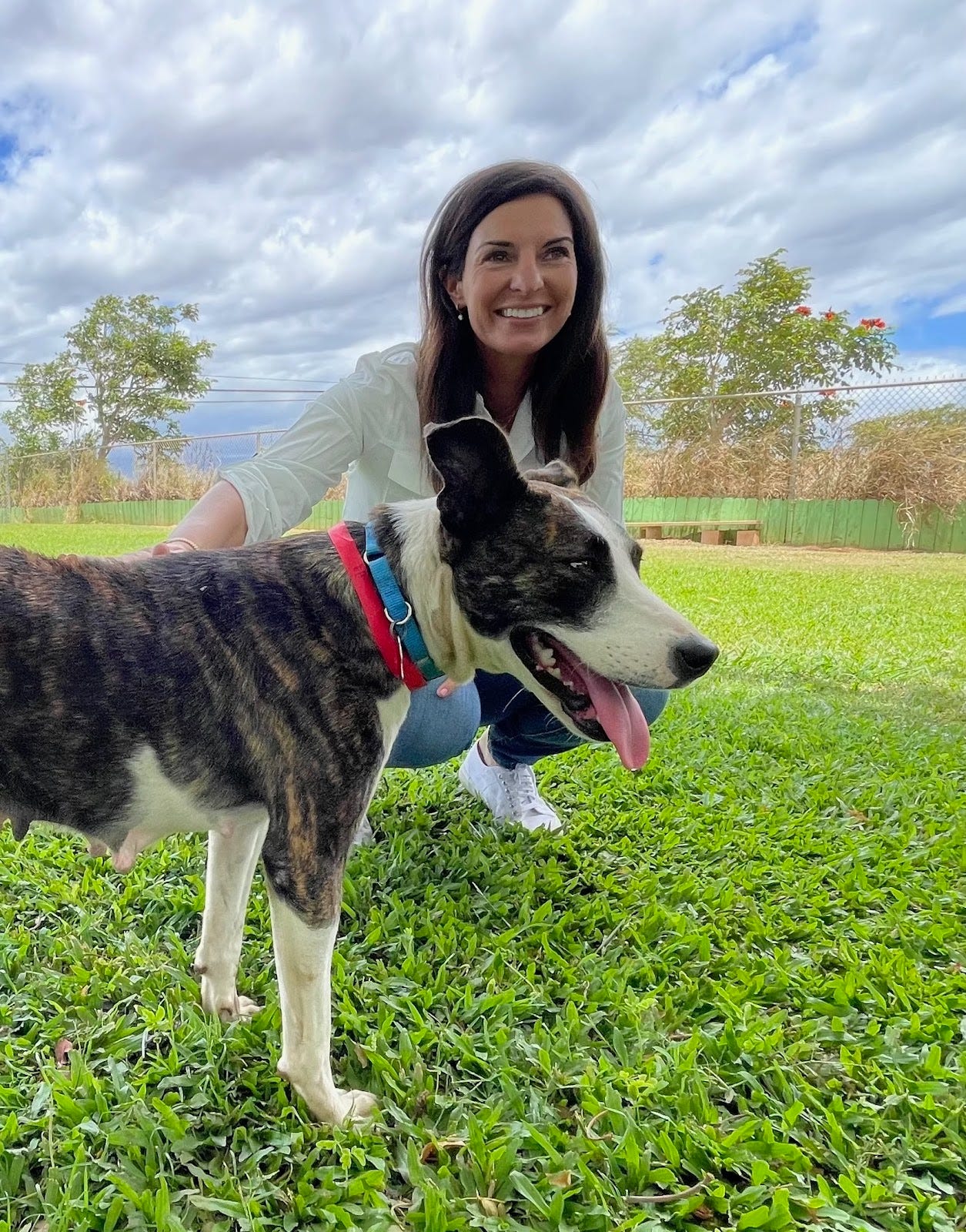
Jenny Miller is an animal welfare focused fundraising and development professional located in Maui, Hawaii. Jenny has a strong background in sales and development and puts her skills to work to help animal care and control organizations meet their fundraising and marketing needs.
Want to learn more about animal services topics? Subscribe here and join the Global Animal Services Professionals group on LinkedIn.
 | A guest post by
|